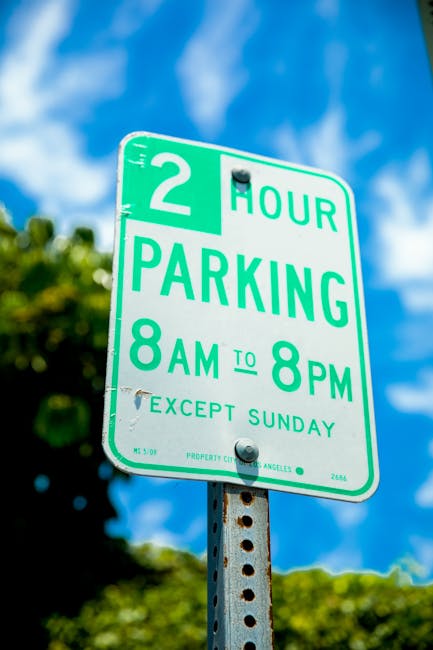
Kingston Council Parking Permits for Chessington Movers
Posted on 21/06/2026

Kingston Council Parking Permits for Chessington Movers: A Practical Guide for a Smoother Move
If you are moving home or office in Chessington, parking can become the awkward little detail that throws everything off. Kingston Council parking permits for Chessington movers are one of those things people only think about when the van is already outside, the street is tight, and someone is eyeing the loading bay like it belongs to them. Truth be told, that is usually too late. A bit of planning here can save time, reduce stress, and help your move start on the right foot.
This guide explains what the permit process usually means in practice, why it matters, and how to approach it sensibly when you are moving in KT9. It also covers the common mistakes people make, the checks worth doing before moving day, and the best way to keep your removals running smoothly without turning the pavement into a small-scale panic zone.
- Why it matters
- How it works
- Key benefits
- Who needs this
- Step-by-step guidance
- Expert tips
- Common mistakes
- Tools and resources
- Compliance and best practice
- Options and comparison
- Real-world example
- Checklist
- Conclusion
- Frequently asked questions
Why Kingston Council Parking Permits for Chessington Movers Matters
Parking is not just a convenience on moving day. In many parts of Chessington, especially on narrower residential streets, where cars line both sides and a medium van already feels like it fills half the road, parking determines how quickly the job can be done. If your mover cannot stop close to the property, every box, mattress, and cupboard becomes a longer carry. And longer carries mean more time, more effort, and more chance of damage.
For most moves, the permit question comes down to a simple idea: can the vehicle legally and sensibly stop where it needs to stop? If the answer is no, you may need to arrange alternatives in advance. That could mean a council parking suspension, a loading bay arrangement, a permit for a controlled parking zone, or simply identifying another legal place to park nearby. Each move is different, and that is exactly why last-minute assumptions cause problems.
There is also a neighbourly side to this. A parked removal van can block access, annoy residents, and attract complaints if it is sitting awkwardly across driveways or dropping noise and engine fumes right where people are trying to get on with their day. A tidy, lawful setup makes the move look more professional and usually goes more smoothly. Let's face it, nobody enjoys being "that van" on the street.
If you are planning the rest of the move too, it helps to think of parking as one part of the wider operation. A good moving plan includes packing, cleaning, lifting, access, and timing. Our guide to a smooth house move and packing guide are useful companions if you want the whole day to feel less frantic.
How Kingston Council Parking Permits for Chessington Movers Works
The exact process depends on the street, the type of restriction in place, and the nature of your move. In practical terms, the job is to work out whether the van can stop legally close enough to the property to load or unload safely. If not, you may need to make an arrangement in advance with the council or use another lawful parking option.
A simple way to think about it is this:
- Check the street outside both the old and new property.
- Look for yellow lines, resident-only bays, loading restrictions, permit zones, or time-limited bays.
- Work out whether the removal van can legally stop long enough to load and unload.
- Decide whether a temporary permit, suspension, or alternative parking plan is needed.
- Build the parking plan into your moving schedule so the van arrives at the right moment.
That may sound obvious, but in real life people often discover restrictions only when the removal team arrives and there is no safe space left. The result is a scramble. A few minutes of checking the street in daylight, before the move, can make a surprisingly big difference.
Sometimes the simplest answer is not a permit at all, but a carefully chosen arrival time. If your road is quiet early in the morning, that might be the best window. If not, a parking arrangement is more reliable. When you are working with a van and a tight staircase, you do not want to add unnecessary carrying distance to the mix. Our article on stairs, narrow doorways, and large-item solutions goes into that access side in more detail.
For some moves, especially if you are shifting furniture or larger household items, it is also worth thinking about van size and turn-in space. A vehicle that is too large for the street can create a worse problem than the parking restriction itself. If you are unsure, a smaller vehicle or a second helper with a different vehicle may actually be the better call. Small detail, big difference.
Key Benefits and Practical Advantages
Getting the parking side right delivers more than convenience. It directly affects pace, safety, cost, and how calmly the whole move feels. That is not marketing talk; it is just how removals work on the ground.
- Less carrying distance: Items are moved between the property and van more quickly and with less strain.
- Lower risk of damage: Fewer trips over kerbs, steps, and uneven pavement mean fewer opportunities to knock furniture or chip walls.
- Better timekeeping: The crew can work to a realistic schedule instead of losing time searching for parking.
- Reduced stress: There is less "where are we stopping?" panic on the day.
- Better access for awkward items: Sofas, wardrobes, beds, and pianos are easier to manage when the van is close.
There is also a practical money angle. A move that drags on because parking was not thought through can sometimes become more expensive simply because it takes longer. If you want to sense-check the overall cost of a KT9 move, this local article on moving costs in KT9 gives you a better feel for the wider planning picture.
And if the move includes bulky furniture, the benefits become even clearer. A proper parking setup helps with loading awkward pieces safely, which is especially useful if you are using furniture removals in Chessington or moving items into a flat where every extra metre feels like a mile.
Who This Is For and When It Makes Sense
This matters for anyone moving within Chessington or into the area where parking is not straightforward. That includes families, landlords, students, flat-sharers, businesses, and anyone using a man and van or a larger removals vehicle. If you are on a quiet road with plenty of room, you may not need a formal permit. If you are not, you probably need to check.
The people who benefit most are usually the ones in one of these situations:
- you live on a road with resident bays or time-restricted parking;
- your property sits on a narrow street with limited kerb space;
- you are moving on a weekday when parking is at its busiest;
- you have heavy or awkward furniture that needs to stay close to the door;
- you are moving from a flat with stairs, tight landings, or a shared entrance;
- you need the move done fast, maybe even on the same day.
If that last one is you, parking becomes even more important. Urgent moves leave less margin for error, and parking problems eat into that margin very quickly. For last-minute situations, it can help to read last-minute removals advice and, where time is tight, our guide to same-day removals from Chessington South Station.
Students and flat movers tend to run into parking trouble because the building access is often the hardest part, not the packing itself. That is why student removals in Chessington and flat removals often benefit from an especially careful parking plan.
Step-by-Step Guidance
If you want a sensible, low-drama approach, this is the order I would follow. It is simple enough, but the order matters.
- Survey both addresses early. Walk the street at the old and new properties and look for restrictions, yellow lines, and bay markings. Do not just guess from memory.
- Measure access. Check whether the van can stop close enough for safe loading. Consider gates, slopes, and the distance from kerb to front door.
- Estimate vehicle size. A small van, long-wheelbase van, or larger removal van may each create different parking needs.
- Decide whether a permit or suspension is needed. If the street is restricted, treat that as a planning task, not an afterthought.
- Book the move with access in mind. If possible, choose a time when parking is calmer and traffic is lighter.
- Prepare the property for fast loading. Boxes stacked by room, key furniture wrapped, and fragile items ready to go all reduce the time the van needs to stay parked.
- Have a backup plan. Streets can be busier than expected. A fallback location nearby is worth having in your head.
One practical tip that people overlook: tell everyone involved where the van is likely to stop. It sounds minor, but if the movers, the client, and the neighbours all have a different idea of the plan, confusion creeps in. A quick text the night before solves more than you would think.
Before move day, it can also help to do the packing properly so the team is not waiting on last-minute tape, labels, or loose items. A few small habits from decluttering before you move and getting the right packing materials can trim the overall time on site.
Expert Tips for Better Results
Here is where a bit of local experience helps. Parking is not only about legality; it is also about flow. A legally parked van that blocks the path between the house and the vehicle can still make the day clumsy. So think about the whole movement pattern.
- Choose the shortest safe carry, not just the nearest space. Sometimes a slightly different parking position makes loading far easier.
- Avoid parking that forces risky lifting angles. This matters with fridges, mattresses, wardrobes, and mirrors.
- Leave turning room. A van that is wedged in tight can waste time when you need to reverse or re-position.
- Protect door edges and kerbs. A moving blanket or careful hand-guiding avoids those tiny impacts that become annoying later.
- Keep weather in mind. Rain makes every carry slower and more slippery, which is no joke when boxes start to soften.
To be fair, the best moves are often the boring ones. No drama, no rushed parking, no running back to move a car every ten minutes. Just a steady sequence: arrive, park, load, go. That calm rhythm is what you want.
If you are moving anything especially heavy, such as a piano or a large wardrobe, safe parking matters even more because the lifting team will need a clean route from door to van. For those more specialist jobs, it is worth looking at piano removals and why piano moving is best left to experts.
And if there is any doubt about lifting technique while the van is being loaded, a quick reminder from the science of kinetic lifting can help keep everyone moving safely. It is one thing to "just lift it"; it is another to do that with a sore back for company.
Common Mistakes to Avoid
Most parking mistakes are not dramatic. They are small, ordinary oversights that snowball on the day. The frustrating part is that they are usually easy to avoid.
- Leaving it until the morning of the move. By then, you have no time to adjust if the street is restricted.
- Assuming a van can "just stop for a minute". On some streets, that minute creates a legal or practical problem.
- Forgetting the return journey. You may have space at one address and none at the other.
- Not checking for driveway access issues. A driveway may look usable but still be awkward for a larger vehicle.
- Ignoring loading distance. A lawful space far away may still make the move slow and tiring.
- Not warning neighbours. Sometimes you do not need permission, but courtesy goes a long way.
A very common one: people pack everything beautifully but forget the street outside. Then the movers arrive and spend ten minutes hunting for a legal stop while everyone stands around holding a lamp, a chair, and a faint sense of regret. Happens more often than you'd think.
Another issue is poor timing. If you have a restricted bay or a busy road, even a perfectly planned parking strategy can fail if you arrive in the noisiest part of the day. The move itself is easier when the road is less active. Simple, but true.
Tools, Resources and Recommendations
You do not need a pile of specialist kit to handle parking well, but a few simple tools make life easier. A notebook, phone maps, tape measure, camera, and a printed moving plan are usually enough. The point is to capture the details while they are still fresh.
Useful things to prepare:
- a photo of the street outside both properties;
- notes on bay markings, yellow lines, and nearby side streets;
- van dimensions if you already know them;
- contact details for anyone who can help on the day;
- a simple load order for the items that need to go first.
It also helps to connect parking planning with the rest of the move. If you are using storage, for example, a separate van stop or transfer point may be needed. Our storage options in Chessington can be part of that plan if you are moving in stages.
If you have a sofa, mattress, or bulky furniture to shift, read up before the day. bed and mattress transport tips and sofa storage advice are genuinely useful if you want to avoid messy improvisation.
When in doubt, choose the route that reduces complexity, not just cost. That is a good rule for parking, packing, and moving in general. A tidy route and a clear parking spot often beat a clever workaround that looks cheap but turns into hassle later.
Law, Compliance, Standards, or Best Practice
Parking around a move sits inside normal UK road and parking rules, local restrictions, and common-sense access planning. You do not need to become a transport lawyer, but you do need to respect the signs, markings, and any local controls that apply to the street.
Best practice is straightforward:
- do not block access routes, driveways, crossings, or emergency access;
- do not assume loading is allowed where stopping is restricted;
- check for resident permit zones, time windows, or suspended bays;
- build the move around lawful parking, not the other way round;
- keep the team informed so nobody parks in the wrong place by mistake.
There is also a general duty of care angle. Safe access matters. If you are manoeuvring heavy items over long distances because the parking is poor, the risk of strain or knock damage rises. That is why many professional removals teams treat parking as a safety issue as much as an admin issue.
Good movers also look at wider standards: clear communication, careful handling, and planning for fragile or valuable items. If you are comparing providers, it is sensible to review a company's approach to insurance and safety, especially if the move includes awkward items or tight access.
And yes, this is one of those areas where being slightly over-prepared is better than being slightly under-prepared. Nobody ever regretted checking the road twice.
Options, Methods, or Comparison Table
There are a few ways to handle parking on moving day. The right one depends on the street, the property type, and how much furniture you are shifting.
| Option | Best for | Pros | Drawbacks |
|---|---|---|---|
| Direct kerbside loading | Quiet streets with enough legal space | Fastest loading, shortest carry | Not always possible in restricted areas |
| Temporary permit or suspension | Controlled parking streets and tighter access | Creates a proper loading point close to the property | Needs planning and may not suit every street |
| Nearby legal parking with longer carry | When direct access is unavailable | Flexible and sometimes easiest to arrange | More walking, slower loading, more physical effort |
| Smaller vehicle choice | Narrow roads or awkward turns | Easier to position, less stress for access | May require more trips if you have a lot to move |
There is no universal winner here. A larger van is not always better. A legal, well-placed smaller van can sometimes outperform a bigger vehicle that cannot sensibly get near the door. That is especially true in Chessington's more compact residential streets.
If you are comparing moving styles, it may also help to read about man with a van moves in Chessington, man and van services, and removal van options. Those pages can help you think through the right scale of vehicle for the access you have.
Case Study or Real-World Example
A typical Chessington move might look like this. A couple is leaving a first-floor flat on a road with resident bays and only limited free space. The furniture includes a bed frame, a sofa, several boxed kitchen items, and one very stubborn wardrobe that looks heavier than it should be. On the first look, there is no obvious place to stop right outside.
Instead of hoping for the best, they check the street the day before, note when parking is busiest, and identify a legal spot close enough to keep the carry manageable. They also split the packing so the first load includes the large items and the most fragile boxes are loaded last. On the day, the van arrives when the street is calmer, the route is clear, and the loading goes steadily. No one is trying to carry a lamp, a bag of linens, and a doorstop at the same time. Which, frankly, is a small miracle in moving terms.
The difference is not dramatic in a cinematic way. It is quieter than that. Less waiting. Fewer steps. No frantic parking shuffle. A slightly easier day. And those are the moves people tend to remember positively.
In situations like this, pairing smart parking with good preparation makes the whole thing feel manageable. That is why advice on packing for moving and smooth move planning fits naturally with the parking side. One supports the other.
Practical Checklist
Use this checklist a day or two before moving. It is simple, but it catches the little things that usually cause the big delays.
- Check parking restrictions at both addresses.
- Confirm whether a permit, suspension, or alternative parking spot is needed.
- Measure how far the van will be from the door.
- Make sure large items are ready first.
- Tell movers where they can safely stop.
- Warn neighbours if access may be temporarily busy.
- Prepare labels so boxes go straight into the correct rooms.
- Have tape, blankets, and tools ready near the exit.
- Plan for wet weather, because British weather does enjoy a bit of theatre.
- Keep a backup plan in case the nearest bay is occupied.
Expert summary: the best parking plan is the one that is legal, close enough, and easy for the moving team to use without improvising. If it also keeps the neighbours happy and the back door free, even better.
Conclusion
Kingston Council parking permits for Chessington movers matter because parking shapes the whole moving day. Get it right and the move feels calmer, quicker, and safer. Get it wrong and even a well-packed house can turn into a slow, awkward slog. The good news is that most of the risk is avoidable with a bit of street-level checking, some honest planning, and sensible timing.
If you remember only one thing, make it this: parking is part of the move, not an afterthought. Whether you are shifting a single flat or a full family home, a workable parking plan can save effort in every other part of the process. And that is the kind of boring win that makes moving day feel a lot less painful.
Get a free quote today and see how much you can save.
And if the day still feels a bit much, that is normal. Most moves do. With the right plan, though, it becomes one of those jobs that looks far bigger before breakfast than it does by the time the last box is inside.